
The Streets Where the Revolution Was Won – and a Nation Was Tested
Charleston, South Carolina, is a city that wears its history in the open. The architecture of the colonial and antebellum periods lines its streets intact. The sites where the Revolution was organized, where British occupation was endured, where the Civil War began, and where three centuries of American ambition and conflict played out are not reconstructions or replicas – they are the streets themselves, the buildings themselves, the church steeples and garden walls and iron gates of a city that has been at the center of the American story since before there was an American nation to tell. As the country marks 250 years, Aramark Destinations invites you to read that story block by block, with guides who know where to look.
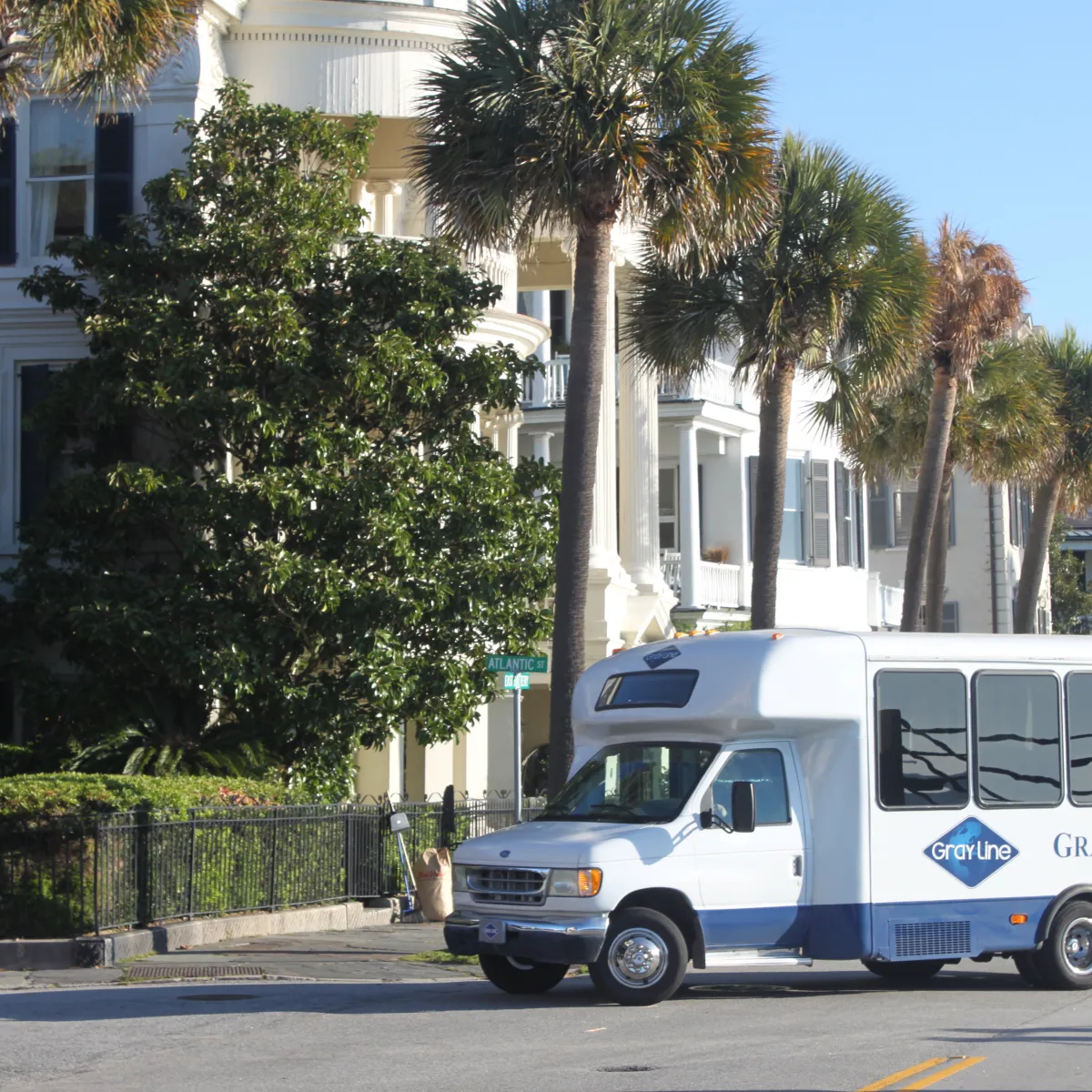
Gray Line of Charleston, the oldest and largest tour company in the city, with more than 50 years of service, offers sightseeing bus tours that move guests through more than 300 years of Charleston’s history, led by certified expert local guides who bring the city’s layered past to life from the comfort of a climate-controlled vehicle. In 2026, Gray Line also offers a dedicated America 250 tour, designed specifically to trace Charleston’s role in the founding of the nation.
Charleston: A Living Monument to the American Story
Charleston was one of the wealthiest and most politically consequential cities in colonial North America, a port city whose trade in rice, indigo, and cotton made it the commercial center of the Southern colonies, and whose merchant class produced some of the Revolution’s most consequential leaders. Christopher Gadsden, who designed the “Don’t Tread on Me” rattlesnake flag that became a symbol of American defiance, was a Charleston merchant and leader of the Sons of Liberty. Francis Marion, the “Swamp Fox,” waged the guerrilla campaign from the South Carolina lowcountry that helped break British control of the Southern theater. When the British occupied Charleston from 1780 to 1782 – the longest occupation of any American city during the Revolution – the resistance that eventually forced their departure was organized in these streets.
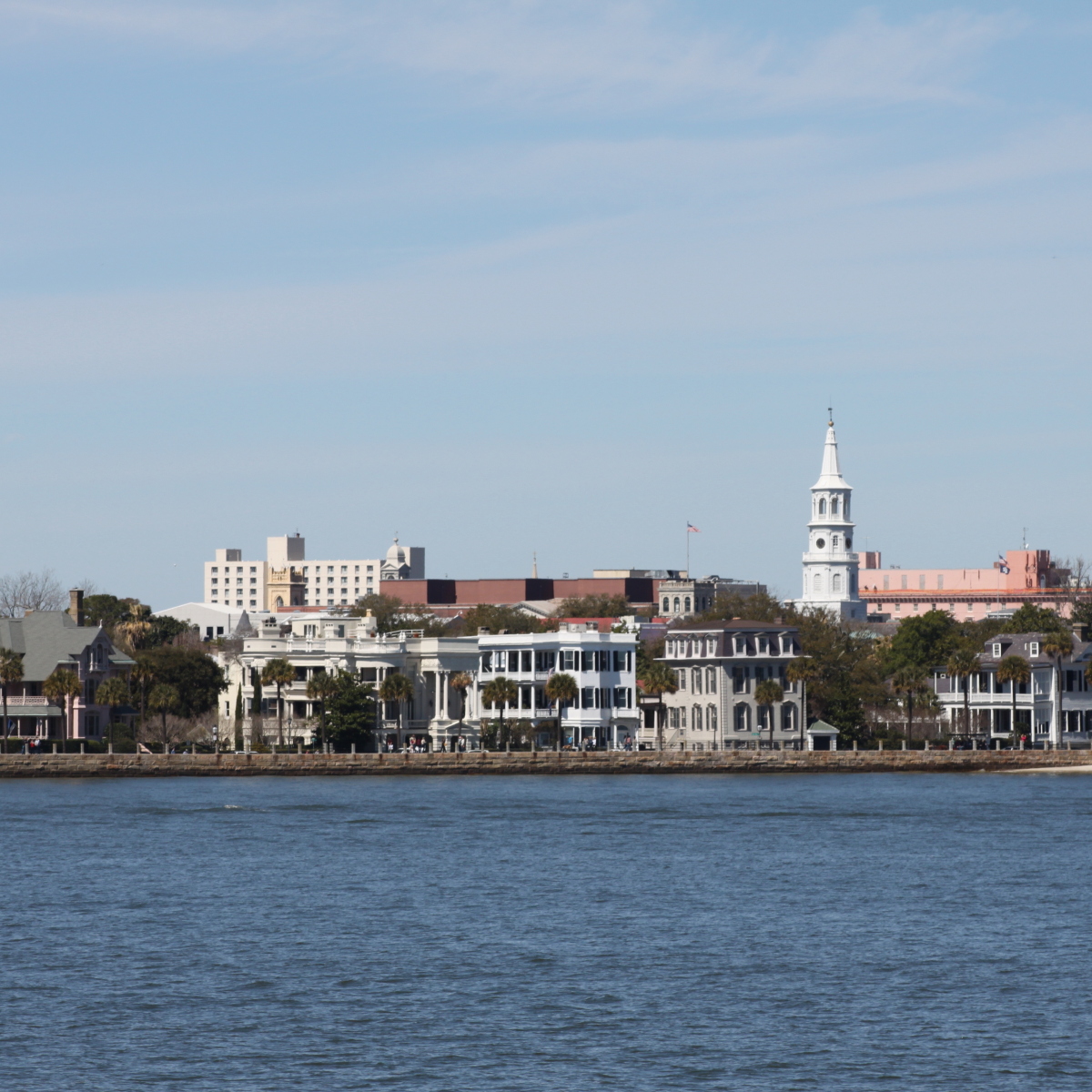
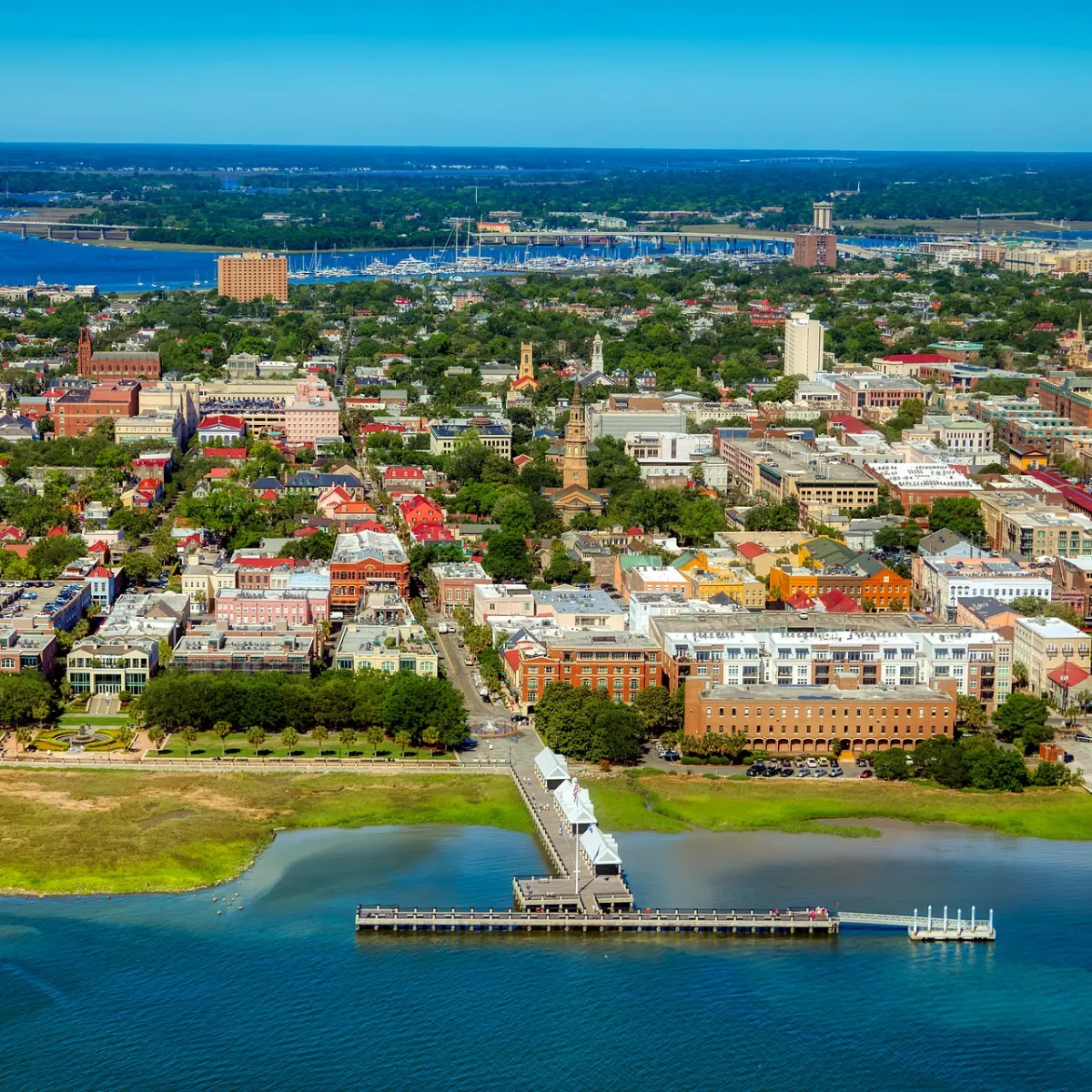
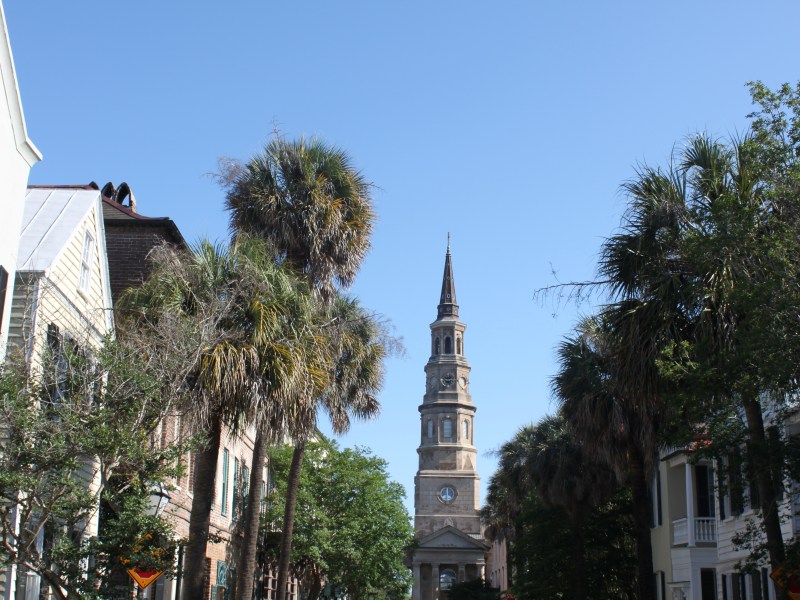
That history is still legible in the cityscape. Rainbow Row’s Georgian merchant houses. The White Point Garden at the Battery, where artillery once pointed toward the harbor. St. Michael’s Episcopal Church, consecrated in 1761, whose bells were carried to England as a trophy during the British occupation and eventually returned. The Heyward-Washington House, where George Washington slept during his 1791 Southern tour. Gray Line’s certified guides know where every story is buried in the streetscape, and the 1.5-hour Historic City Tour, as well as the new America 250 tour, put all of it within reach.
Our Promise to These Places, and to You
Landmarks of Legacy connects our destinations through three shared commitments.
Stewardship
Caring for What Endures: The built heritage of historic Charleston is among the most intact and significant collections of colonial, Federal, and antebellum architecture in the United States. Stewardship here means more than preservation: it means operating tours that treat the city’s historic neighborhoods with care, partnering with the preservation community that has protected Charleston’s streetscape for generations, and ensuring that the guests who come to learn about this city’s history leave with a deeper understanding of why that history is worth protecting. Gray Line’s role is to connect people to a place that cannot be replicated and to do so in a way that honors the communities whose stories are embedded in every block.
Stories that Shape Our Destinations
Every Landmark Has a Voice: The story of Charleston is not a single story. It is the story of the colonists who built one of the wealthiest cities in the Americas on enslaved labor. It is the story of the revolutionaries who argued for liberty in the same streets where people were bought and sold. It is the story of British occupation and Patriot resistance, of Francis Marion’s raids and Christopher Gadsden’s flag, of the Siege of Charleston and the long fight to reclaim the city. It is the story of the Civil War’s first shots fired across the harbor, and of the century of consequence that followed. Gray Line’s certified local guides carry all of these stories, and the city’s streets carry the evidence. The America 250 tour is designed specifically to trace the revolutionary chapter: the people, the places, and the moments that made Charleston central to the founding of the nation.
Experiences of Legacy
Not Spectators. Participants. The most effective way to encounter Charleston’s history is to move through it, past the buildings that survived the Revolution and the Civil War, down the streets where the Sons of Liberty met and the British marched, along the Battery where Charlestonians watched the harbor for three centuries of conflict and commerce. Gray Line’s expert certified guides don’t describe this history from a distance. They deliver guests into it, block by block, with the commentary of people who know this city not as a subject but as a home. In the year America turns 250, that is exactly the kind of encounter the country’s founding story deserves.

Join the Journey
Landmarks of Legacy is more than a campaign. It is a movement across America’s most meaningful places — a shared commitment to the destinations that shaped our nation and continue to define who we are. Learn more at landmarksoflegacy.com.